Lake Harvesting Update

We wanted to give you a quick update on our upcoming lake harvesting efforts—and share a temporary regulatory hurdle we’ve run into.
🚢 The Plan (And the Catch)
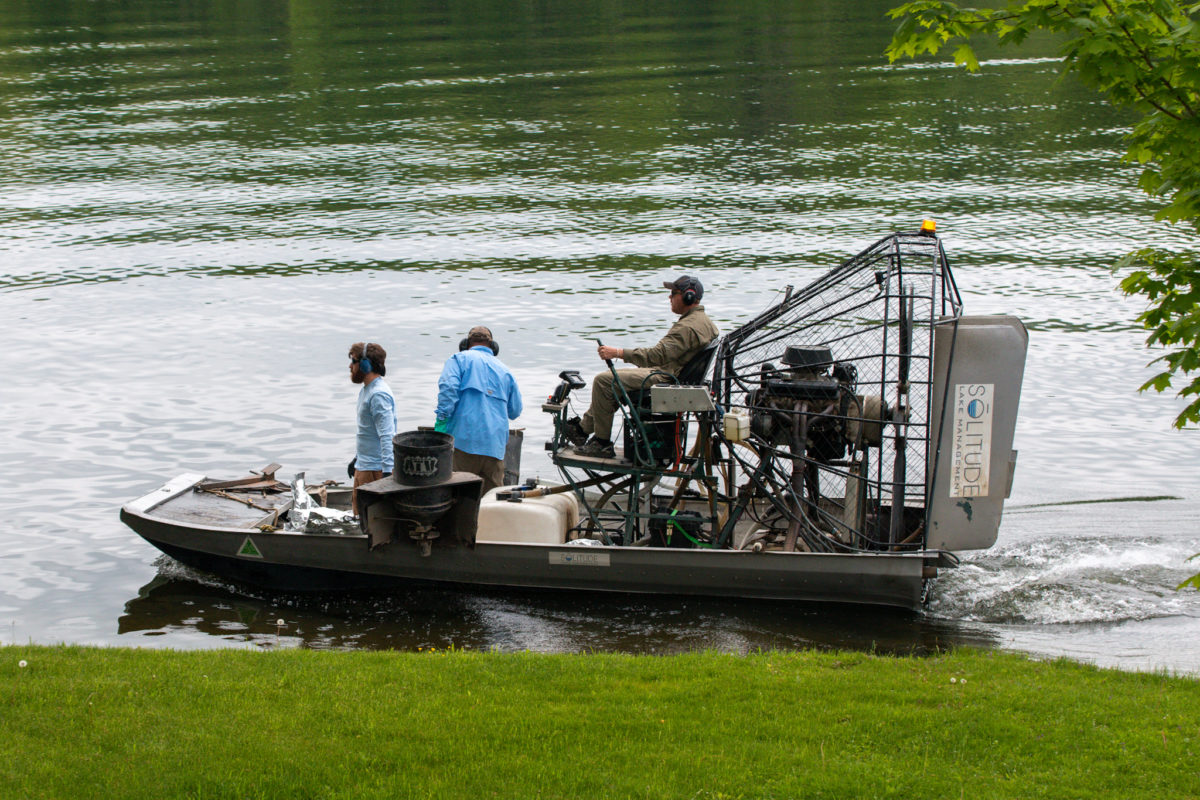
We originally scheduled weed harvesting to begin the week of June 22nd, targeting two specific fields that are currently threatening to impact boat navigation.

However, the New York State Department of Environmental Conservation (DEC) recently implemented new rules. As a result, Cortland County Soil and Water (CCSWCD) must now obtain a specific permit before any harvesting can take place.

🔍 Where Things Stand Right Now

  • Permit Status: The permit application has already been submitted, and the CCSWCD team is working diligently to expedite its approval.

  • Timeline Adjustments: Because we are waiting on the state’s green light, our broader harvesting schedule is temporarily up in the air.

  • Shoreside Impact: This permit delay may also push back our shoreside harvesting efforts.

For those registered for Shoreside Harvesting: We haven’t forgotten about you! We will reach out to everyone who registered next week with an update on the program.

🗓️ Next Steps

We sincerely apologize for this sudden uncertainty. While dealing with unexpected bureaucracy is never fun, it is completely out of our hands. We are pushing hard behind the scenes to get the machinery back in the water as quickly as possible.

We will provide another community-wide update as soon as we have concrete news, but no later than next Wednesday.

Thank you for your patience and ongoing support in keeping Little York Lake beautiful and navigable!
2026 Lake Management Work Plan

Our approved 2026 Lake Management Plan is available on our website here.

Highlights include:

Monitoring

  • Monitor the lake through CSLAP
  • Expand the monitoring by implementing the Lake Management Plan Tracker methodology from APIPP with Soil and Water (SWCD)
  • Develop a HABs monitoring program

Prevention

  • Continuing support, through C-OFOKLA, of the boat steward program, CCStoptheInvasion.org and including support of the boat decontamination station.
  • Provide content for public outreach, both directly and through C-OFOKLA.

Treatments

  • Treat the identified VLM field with ProcellaCOR
  • Perform ~2 weeks of harvesting focused on key time frames
  • Run a shoreside harvesting program based on last year’s pilot.

Management

  • Continue support of septic education program
  • Refine working relationship between LYLPS and LYLPRD

Organizational

  • Continue to build community
  • Maintain the lake management plan
  • Provide consistent communication to the community using email of lake property owners, the Little York Lake association web site, our Facebook page, and USPS when appropriate.

Managing the milfoil remains a top priority in our lake management efforts. We anticipate treating the identified milfoil bed in May to maximize the impact.

We plan to manage other plants on the lake through mechanical harvesting. Lakeside harvesting focuses on maintaining navigability and ensuring the lake is useful for recreation. Shoreside harvesting will be provided so that owners can keep their shorefronts in good order. Our only potential issue is that SWCD may require a permit to perform harvesting and we are actively working with them to ensure that permits are in place for this season. The primary permitting risk is for shoreshide harvesting.

2025 Lake Management in Review

Our official 2025 Work Plan Review is on our website here.

Herbicide Treatments and Lake Harvesting

This was a challenging year for harvesting and herbicide treatments due to some big changes in permitting and this being the first year using the new harvester acquired by Cortland County Soil and Water Conservation District (CCSWCD).

Herbicide treatments were challenged by new DEC requirements to obtain a wetland permit in addition to the treatment permit.  While the permits were requested in January of 2025, the wetland permit approvals were very late in coming and this in turn delayed our treatment to the last possible date in the treatment period.  We were able to treat milfoil as proposed in the channel along I-81 and curly leaf pondweed in the lower channel, the results were not as effective as we hoped given the late date which enabled additional weed growth.  The wetlands permit from New York State is for five years; therefore, our herbicide treatments in 2026 should be done earlier in 2026 and subsequent years and as such be more effective.

The weed harvester obtained by (CCSWCD) via a large grant was operational on the lake just before the 4th of July holiday week a full month later than we had hoped.  CCSWCD spent a considerable amount of time on the lake in training as well as harvesting and we’re excited about its use in 2026 on the lake.    

We continued our ongoing water quality monitoring with CSLAP.     

Dockside Harvesting Program

In conjunction with CCSWCD, we completed a pilot program last summer to provide dock-side harvesting. The focus of our lake-wide harvesting program is to ensure that the main navigable portions of the lake are cleared and open for recreation. 

Our dock-side harvesting program made the CCSWCD harvester available for clearing shoreline areas for property owners for a modest fee. The pilot conducted in mid-summer with 30 minute harvesting slots cost homeowners $100 per slot. A dozen homeowners took advantage of the pilot and feedback was positive.  We will look at modifying the program slightly in 2026 to adjust the pricing and cost for those homeowners with more need and also look at opportunities for homeowners to harvest more than once during the season.   

Community Outreach

CCSWCD also received a grant to support public outreach for aquatic invasive species education. We are working with them through C-OFOKLA to create programs to reach our community.

A key element of this outreach is reminding boaters to Clean, Drain, and Dry their watercraft BEFORE and AFTER they use the lake. If you have a guest at your home who bring a boat in, please remind them of this important practice. Visit bit.ly/LYL-CDD for a brief educational video. The CD3 boat cleaning station at Dwyer Park is an important resource in our campaign to preserve the lake.  We continued outreach support through C-OFOKLA and support of the CD3 cleaning station in the park.

Annual meeting

We held 2 community meetings:  the LYLPS Annual meeting held on Saturday, June 7th and our fall meeting and picnic held on Saturday, Sept 13.   

Boat Parade

The boat parade was held on Saturday, July 5th prior to the fireworks with awards for 1st, 2nd and 3rd place winners.  See the web site for pictures of all the fun.

Avoid Yellow Buoys: Important Lake Boating Advisory

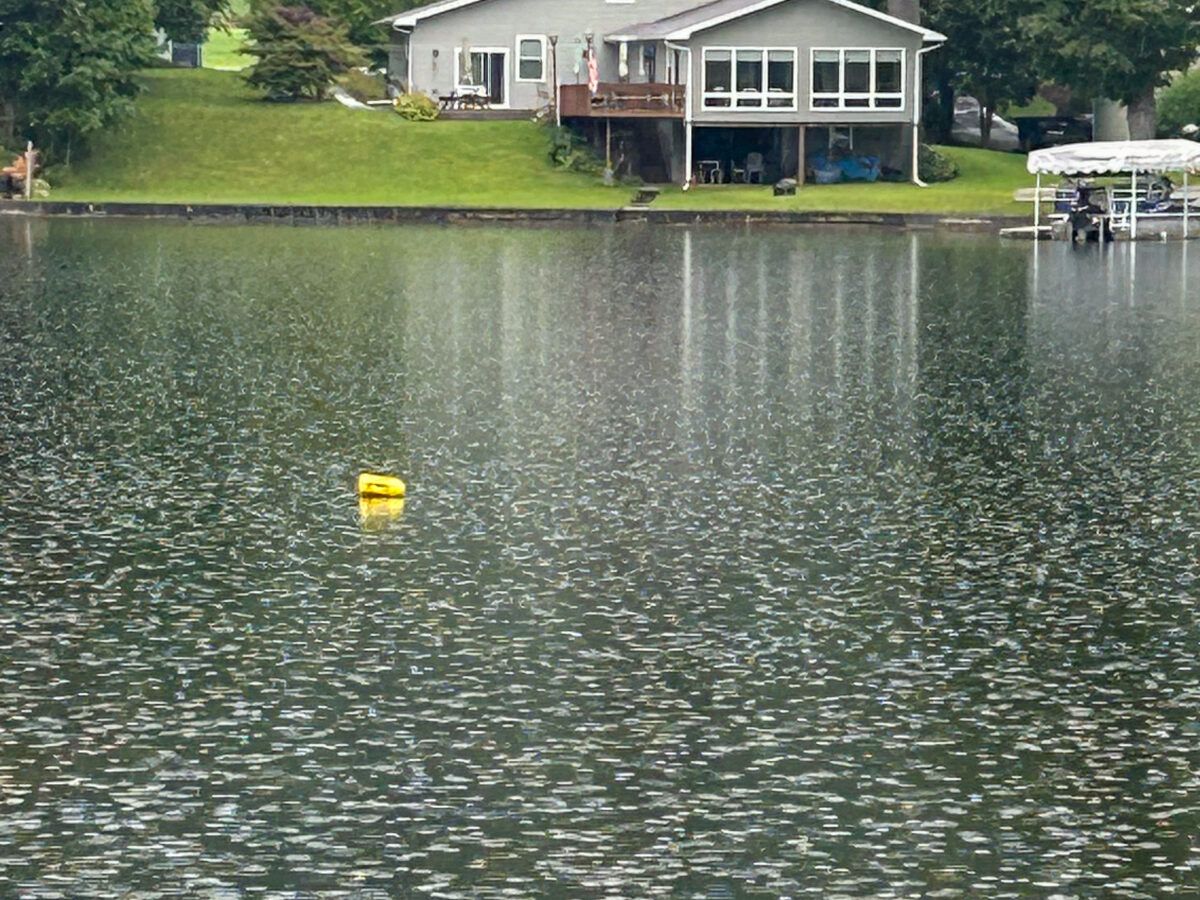
There are three yellow buoys placed in the lake along the main inlets by Cortland County Soil and Water Conservation District.  The buoys will be in place for the month of September and into October.  At these locations sediment is being collected to better understand how much sediment is coming into the lake at each of the inlets.  Please avoid these as you are boating throughout the month.

This is a continuation of the study begun earlier in the year and we hope to use information gathered to guide our efforts in reducing sediment in the lake.

2020 Work Plan Released

The LYLPS board has had a busy fall reviewing last summer’s milfoil treatment as well as other efforts. We have developed and approved a work plan for 2020  and are in the process of briefing various public entities. This includes the County Ag & Planning and Highway Committees as well as the Soil and Water Conservation District.

Here is a short summary of the plan:

  • Prevention
    • Support the installation and roll-out of the boat decontamination station at Dwyer Park
    • Continuing support, through C-OFOKLA, of the boat steward program, CCStoptheInvasion.org
  • Monitoring
    • Monitor the lake through CSLAP
    • Conduct regional CSLAP training on May 8th
    • Expand the monitoring by joining the Finger Lakes PRISM macrophyte program
  • Treatments
    • Treat variable leaf milfoil in previously untreated areas
    • Test treating starry stonewort
  • Management
    • Support new drawdown permit process
    • Establish shorescaping program in collaboration with SWCD
    • Continue support of septic education program
  • Organizational
    • Continue to build community
    • Maintain the lake management plan

As you can see, we have a lot on our plate, but all of it is important and part of our ongoing efforts to restore and maintain the lake.

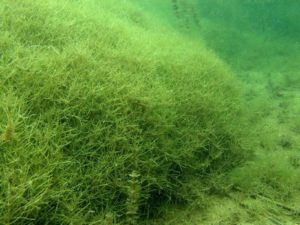
                       Bed of Starry Stonewort

Of course, one of the more visible components is conducting additional treatments for variable leaf milfoil as well as addressing another major invasive species, starry stonewort. Our treatment plan can be found here.

We issued an RFP in January and received two bids. We have decided to move forward with Solitude Lake Management, the same firm we used for our treatment last year.

We plan to treat milfoil beds in areas where we didn’t treat last year. We plan to conduct the treatment during the early growing season, in May. This year we intend to use a different herbicide, Procellacor.  It has been in use for several years in other states and was registered for use in New York last year. This herbicide has been demonstrated to have even less impact on the environment than Navigate and we will use less of it. 

Starry stonewort is an algae and requires an algaecide. We are working with the Starry Stonewort Collaborative of the Finger Lakes Institute, Solitude, and DEC to determine the best approach. Treatment will likely occur in July. More information will be provided shortly.

We will follow a process similar to last year:

  • File for a permit in late February
  • Notify all affected riparian owners of our intent to treat and approximate dates
  • Conduct a public meeting to discuss any concerns 
  • Raise money to cover the treatements
  • Complete the treatments

Of course there are many additional steps involved, but this presents the main points.

One of the key benefits of our treatment program last year was the reduced amount of milfoil floating on the lake. This benefited everyone. This year we are going to ask everyone to donate to support the cost of treatment. We are also going back to the county with a request that they pay for their share once budgets have been finalized.

If you have any questions, comments or suggestions please email us at contact@littleyorklake.com.